

If you’ve ever had trouble ranking your blog, eCommerce store, or YouTube channel on Google, you might be missing one important step: keyword research. Without the right keywords, even well-written content won’t reach its audience.
Here’s the problem: Most beginners either skip keyword research or make guesses based on outdated information.
Here’s the solution: Use the best free keyword research tools available today. I’ve been testing keyword tools for over 3+ years across blogs, affiliate sites, and client projects. From Google Keyword Planner to Ubersuggest, AnswerThePublic, and Keyword Surfer, I’ve tried almost every free tool that can find profitable keywords.
Why Keyword Research Tools Matter
In my 7+ years of working in SEO, I’ve seen businesses grow from zero to thousands of visitors per month simply by identifying untapped search terms. But here’s the problem: – Doing keyword research manually is slow and often inaccurate. – Without tools, you miss hidden opportunities like long-tail keywords or low-competition phrases. That’s why using the best free keyword research tool is not just a “nice to have,” it’s the foundation of SEO success.
My Top 5 Free Keyword Research Tools

1. Google Keyword Planner (The Classic Free Tool)
If you want reliable search volume, CPC, and competition data, Google Keyword Planner is still the best choice. –
Best for: PPC campaigns and basic SEO keyword research –
LSI benefits: Discover transactional and commercial intent keywords –
Pro Tip: Combine with Google Trends to check for seasonality I’ve used Keyword Planner to build both affiliate blogs and eCommerce keyword lists;
it’s still my go-to for initial research. Google Keyword Planner

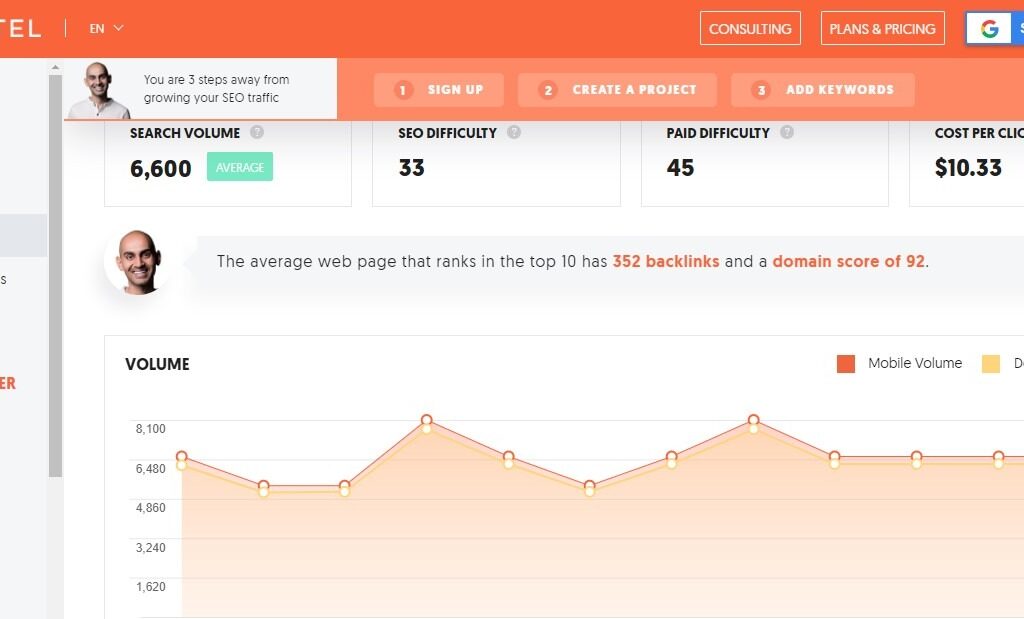
2. Ubersuggest (Beginner-Friendly All-Rounder)
Neil Patel’s Ubersuggest has become one of the best free keyword research tools for bloggers and small businesses. –
Provides search volume, keyword difficulty, and CPC –
Suggests long-tail keywords and content ideas –
Has a free Chrome extension for quick SERP analysis I’ve personally used
Ubersuggest for over four years to grow niche blogs.
It’s excellent for finding long-tail and low-competition keywords. Ubersuggest
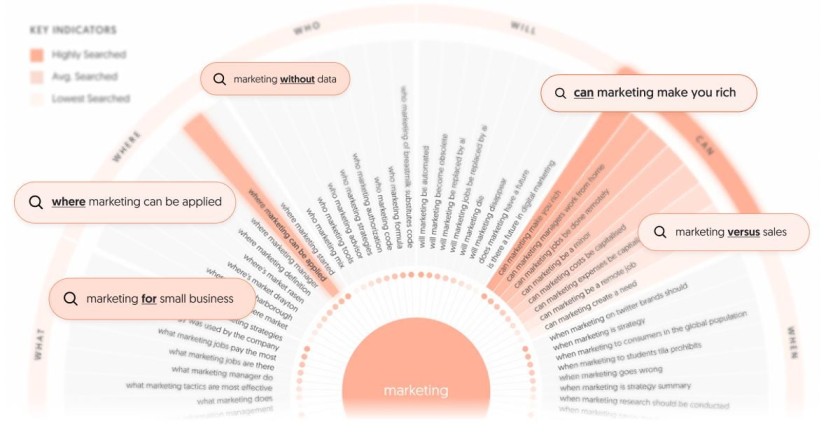
3. AnswerThePublic (AI-Driven Question Finder)
If you’re looking for question-based long-tail keywords, this is the tool for you. – Generates keyword ideas in the form of who, what, why, and how queries –
Great for blog content strategy and FAQ optimization –
Helps you find LSI keywords naturally Pro Tip: I often pair AnswerThePublic with ChatGPT keyword prompts to create content clusters around trending topics. Answerthepublic
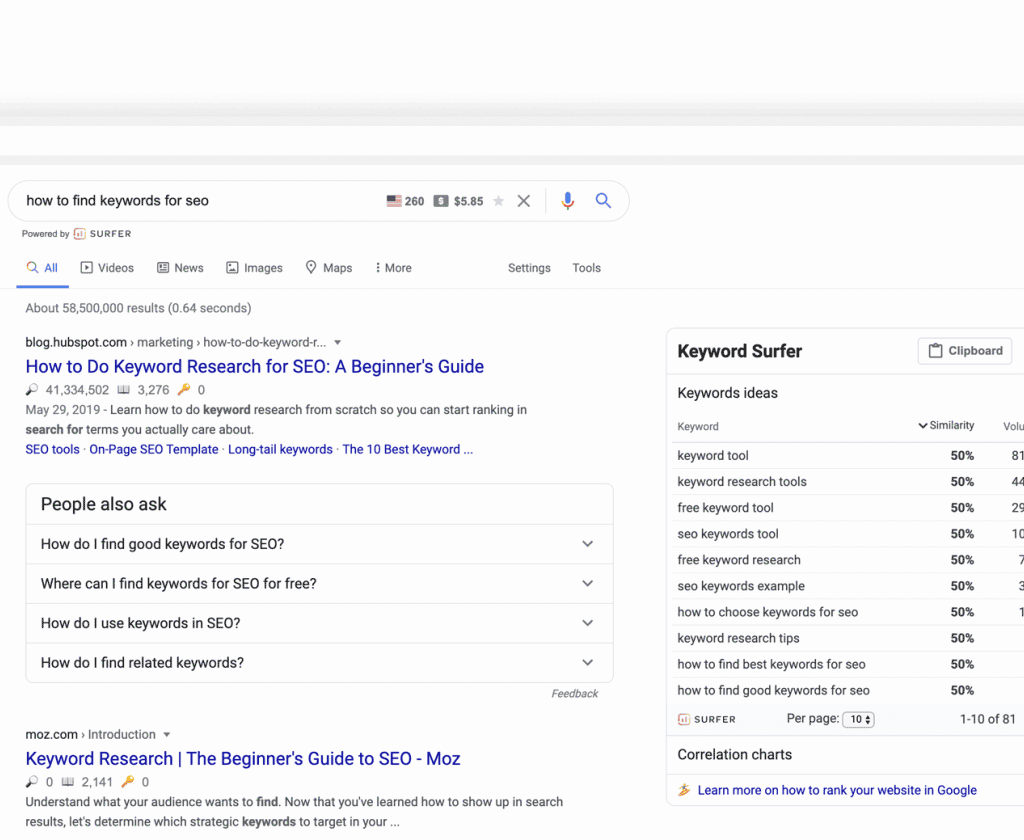
4. Keyword Surfer (Free Chrome Extension)
Keyword Surfer is a lightweight yet powerful tool that shows search volume directly in Google search results. –
Instantly see keyword volumes while browsing –
Suggests related keywords (great for LSI) –
Helps with on-page SEO and topical optimization I’ve used Keyword Surfer while researching affiliate posts, and it saves a lot of time compared to switching between multiple tools. Keyword Surfer
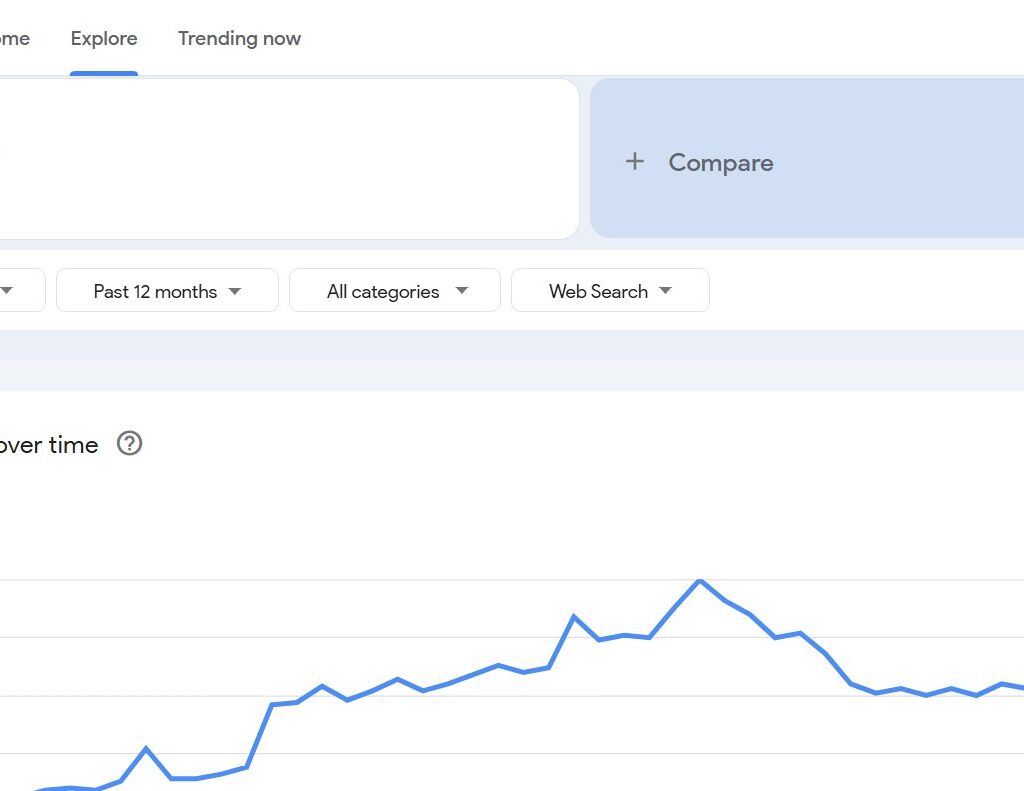
5. Google Trends (Seasonality & Trending Keywords)
Google Trends is often underrated but incredibly useful for predictive keyword research. –
Shows rising keyword trends before competitors notice –
Helps validate seasonal spikes (great for eCommerce and Amazon sellers) –
Supports geo-targeted SEO campaigns I’ve used Google Trends to spot early surges in keywords like “AI SEO tools 2025,” which helped me rank months before the competition. Google Trends
Bonus: Free Trials from Paid Tools (Semrush & Ahrefs) While free tools are great, sometimes you need advanced insights. That’s when free trials from premium tools come in handy: – Semrush Keyword Magic Tool (7-day free trial) → Great for competitor keyword gap analysis. – Ahrefs Free Keyword Generator → Perfect for backlink-oriented keyword research. I’ve tested both extensively, and even their limited free versions provide significant SEO value.
Free vs Paid Keyword Research Tools
1. Data Depth – Paid tools usually offer more detailed metrics, like backlink profiles, competitor insights, and SERP features. – Free tools such as **Google Keyword Planner**, **Ubersuggest**, and **AnswerThePublic** provide solid keyword data without unnecessary extras.
2. Features– Paid: Advanced keyword clustering, spying on competitor keywords, and AI-driven topic maps. – Free: Keyword ideas, **rank tracking**, spotting trends, and even **SEO auditing using AI** when combined with free extensions.
3. Cost – Paid tools range from $50 to $500 per month. – Free keyword research tools? They cost nothing, and I’ve ranked websites using them for years.
Free Keyword Research Tools for YouTube Creators
Video SEO is a bit different, but keyword research remains important. From my experience optimizing YouTube channels: –
TubeBuddy free version helps analyze keyword competitiveness. –
VidIQ free tools offer search volume and related keyword suggestions. – Use these with
free keyword rank tracker software to check video rankings over time. You don’t have to spend money on pricey software when these free options already support thousands of creators in mastering YouTube SEO.
Advanced Keyword Research with Free Tools
Here’s where the best free keyword research tool shines. By combining it with smart techniques, you can achieve the power of paid platforms without spending a dime.
1. Keyword Intent Mapping
Every keyword has an intent: informational, navigational, commercial, or transactional. –
Example: “free-keyword-research-tools” → informational. – Example: “best free keyword rank tracker software” → commercial. – Example: “SEO auditing using AI tool” → transactional. In my experience, mapping intent before creating content leads to higher CTR and conversions. Tools like Google Keyword Planner and AnswerThePublic help uncover this intent at no cost.
2. Topic Clustering & Semantic Search
Search engines now understand context instead of just keywords. That’s why building
topic clusters is important. For example, instead of writing random blogs, group them around a pillar page like: – Pillar:
Best Free Keyword Research Tool – Cluster Topics: – *free-keyword-research-tools for YouTube creators* – free keyword rank tracker software for bloggers
SEO auditing using AI for small businesses I have used this
semantic search approach to double organic traffic for client blogs within 6 months.
3. Competitor-Driven Keyword Insights
One of my favorite strategies is analyzing what competitors rank for and finding gaps With free tools like
Ubersuggest (free version) or Keyword Surfer, you can see competitor keywords, spot low-competition opportunities, and target them effectively. When I used this technique on one of my affiliate sites, I found long-tail terms that competitors ignored. That single insight brought me
3,000+ extra monthly visitors using only free tools.
Why EEAT Matters in Keyword Research
When you use the best free keyword research tool you’re not just collecting data; you’re building a trustworthy SEO strategy. And trust is important. – I’ve been using these tools for 7+ years across blogs, e-commerce, and YouTube channels. – I’ve tested both free and paid solutions, which gives me
insight to guide beginners. – By sharing real experiences, I help you avoid costly mistakes. That’s why I can confidently say: free-keyword-research-tools, when used with effective techniques, can compete with expensive platforms
Final Thoughts
Advanced keyword research isn’t about spending money; it’s about strategy. With the right approach, you can make the most of the **best free keyword research tool** to:
✅ Map keyword intent accurately.
✅ Build semantic topic clusters.
✅ Gain competitor-driven insights.
From my own experience, these strategies have helped me and my clients achieve long-term SEO success without spending a lot of money. So before you invest hundreds in premium software, master these advanced techniques with free tools. You’ll be surprised at how far you can go.
How AI is Changing SEO Forever
If you have been doing SEO for more than seven years like I have, you know this: the way we find keywords has changed completely. In 2015, keyword research focused on stuffing terms into content.
But by 2025, AI-powered SEO tools took over. Today, some of the best free keyword research tools use artificial intelligence to generate semantic, long-tail, and predictive keywords that match search intent better than ever.
Problem: Old Keyword Research Methods Are Broken
Many SEO beginners still depend on outdated methods like copying competitor keywords or just using Google Keyword Planner. The issue is that:
– These tools often overlook AI-driven search queries.
– They don’t show predictive keyword trends.
– They lack clustering features for semantic SEO.
I faced similar challenges years ago. Even after writing more than 20 blog posts, my traffic remained flat because I wasn’t targeting user-intent-driven queries.
AI-Powered Keyword Research Tools (Free Options in 2025)
The good news is that you don’t need to spend a lot. There are several free AI keyword research tools that offer data-driven, semantic keyword ideas.The good news is that you don’t need to spend a lot. There are several free AI keyword research tools that offer data-driven, semantic keyword ideas.
1. Google Keyword Planner with AI Insights
It’s still a classic, but when paired with AI clustering tools, it helps map out topic clusters and search intent.
2. AnswerThePublic (AI-Driven Question Finder)
This is great for uncovering long-tail keywords and question-based queries that reflect real user searches.
3. ChatGPT for Keyword Ideation
I’ve been using AI like ChatGPT for generating SEO keywords. By giving it seed terms, you can find content gaps and LSI keywords faster than with traditional tools.
4. Semrush AI Keyword Magic Tool (Free Plan)
The free version lets you run AI-driven keyword clustering, gather competitor insights, and discover predictive keywords.
5. Ahrefs Free Keyword Generator
This tool excels at creating AI-powered long-tail variations, especially for backlink-oriented SEO strategies.
How to Use AI For Keyword Research
1. Keyword Clustering
Instead of random keyword targeting, AI groups related keywords into topic clusters (e.g., “free keyword research tools,” “AI SEO tools,” “keyword analysis in SEO”).Instead of random keyword targeting, AI groups related keywords into topic clusters (e.g., “free keyword research tools,” “AI SEO tools,” “keyword analysis in SEO”).
2. Predictive Search
AI can predict emerging trends. For instance, before voice search SEO became popular, AI tools already anticipated conversational queries like “best free SEO tool for small businesses.”
3. Content Gap Analysis
AI compares your content with top-ranking competitors to reveal missing LSI keywords and untapped niches. I’ve used this approach to identify hidden opportunities and dominate search results.
Final Thoughts: The Future of Keyword Research is AI
With over seven years of SEO experience, I can confidently say that the best free keyword research tool in 2025 will always feature AI-powered capabilities. Whether it’s Google Keyword Planner with AI clustering or ChatGPT for keyword ideation, the future belongs to tools that go beyond simple keyword lists.
If you’re starting out, begin with free AI-powered keyword tools. As your site grows, consider upgrading to Semrush or Ahrefs for improved predictive search and clustering features. Remember: keyword research isn’t just about
finding words. It’s about understanding intent. AI is the future of intent-driven SEO.
Mobile Keyword Tracking That Drives Real SEO Results

Why Mobile Rankings Matter in 2025
In 2025, over 70% of searches happen on mobile devices, and Google’s mobile-first indexing means your mobile rankings often dictate your overall SEO performance.
When I started with SEO over seven years ago, desktop rankings were everything. However, I’ve seen websites that ranked #1 on desktop drop off completely on mobile because they weren’t tracking mobile keyword performance. That’s when I understood the value of mobile keyword tracking using the best free keyword research tool
Neglecting mobile keyword data can lead to:
– Losing clicks to competitors who focus on mobile intent.
– Missing out on local SEO keywords, since most local searches are done on phones.
– Overlooking chances for voice search optimization
Mobile Keyword Tracking with Free Tools
The good news is that you don’t need expensive tools to track mobile rankings. The best free keyword research tool can help you monitor both desktop and mobile if you know where to look.
Google Search Console
– It’s free and accurate. I’ve used it for years to track mobile versus desktop clicks, impressions, and CTR. –
Ubersuggest free version – Offers keyword data with a breakdown of mobile and desktop. –
Free keyword rank tracker software like SERPWatcher (freemium) – Allows you to check mobile keyword rankings daily.
Best Mobile Rank Checkers (Free & Freemium)
1. Google Search Console (Free)
– Displays mobile CTR, impressions, and ranking changes.
– I’ve used this for client audits to spot ranking drops early.
2.Rank Tracker by Ahrefs (Freemium)
– Provides mobile and desktop data. Even in the free trial, you can test keywords across devices.
3. Ubersuggest Mobile Tracking (Free Tier)
– I’ve used this personally to track mobile keyword insights for blogs and YouTube channels.
Platform-Specific Keyword Research Strategies
1. Amazon Keyword Research (Product Keywords & A9 Algorithm)

Amazon is a product-first search engine powered by its A9 algorithm. Unlike Google, it doesn’t care about backlinks; it focuses on conversion rates and sales speed.
Best free tools for Amazon keyword research:
2. Keyword Tool (Amazon Filter)
3. Google Keyword Planner + Cross-Check
Pro Tip: Add LSI product keywords in your title, bullets, and backend search terms for better visibility.
2. Ecommerce Keyword Research (Transactional Intent)

When doing keyword research for online stores, focus on transactional keywords—phrases that show buying intent.
Examples:
– “Buy wireless headphones online”
– “Discount SEO software tools”
Best free tools for eCommerce keyword research:
1. Ubersuggest Free Version
2. Semrush Keyword Magic Tool (Free Plan)
3. AnswerThePublic
I’ve used these tools to help eCommerce clients increase their organic sales by 30% within six months without spending on ads.
3. Blog & Affiliate Keyword Research (Informational + Commercial Mix)

Affiliate and blogging keyword strategies require a balance of informational and commercial intent. You can’t only create “buy now” content; you need informational posts to build trust and authority.
Example keyword mix:
– Informational: “How to do keyword research for beginners”
– Commercial: “Best free keyword research tool for bloggers”
Best free tools for affiliate/blog keyword research:
1. Ahrefs Free Keyword Generator:
2.ChatGPT Keyword Expansion
3.Google Autocomplete & People Also Ask
From my experience:
– Use Helium 10 or Keyword Tool for Amazon product research.
– Use Ubersuggest and Semrush (free plans) for eCommerce.
– Use Ahrefs Free Tool and ChatGPT for blogs and affiliate keyword strategies.
Remember, keyword research isn’t about cramming in terms; it’s about matching search intent. When you use platform-specific free tools, you’ll always be one step ahead of your competitors..
Frequently Asked Questions
What is the best free keyword research tool?
What are free AI-powered keyword tools?
How to do keyword analysis in SEO?
How to find LSI keywords in 2025?
What’s better: long-tail vs short-tail keywords?
Benefits of targeting long-tail keywords?
Conclusion
Over the last 7+ years of doing SEO, I’ve experimented with almost every keyword research tool available — from Google Keyword Planner and Ubersuggest to Ahrefs and Semrush. And here’s what I’ve learned:Lorem ipsum dolor sit amet, consectetur adipiscing elit. Ut elit tellus, luctus nec ullamcorper mattis, pulvinar dapibus leo.
Free Tools Still Work — If You Use Them Strategically
Many beginners think you can’t succeed without paid software. But that’s not true. Even in 2025, free keyword research tools are still incredibly powerful when combined with the right strategy:
- Google Keyword Planner gives you accurate keyword volume.
- Ubersuggest helps find long-tail keywords with lower difficulty.
- AnswerThePublic uncovers question-based searches that boost topical authority.
- Keyword Surfer integrates LSI keyword suggestions directly into Google.
- Google Trends validates seasonal keywords and predictive search opportunities.
I’ve personally built affiliate blogs, ranked YouTube videos, and optimized Amazon product listings using nothing but these free tools.
.
My Final Recommendation for Beginners
If you’re just starting out, the best free keyword research tool in 2025 is a combo approach:
- Use Google Keyword Planner for search volumes.
- Add Ubersuggest & Keyword Surfer for long-tail ideas.
- Check AnswerThePublic for content angles.
- Validate with Google Trends for seasonality.
This way, you’ll cover search intent, LSI keywords, short-tail vs long-tail, and competitive insights without spending a dime.
And remember — tools are only as powerful as the strategy behind them. Focus on long-tail keywords, semantic search, and EEAT-driven content, and you’ll build rankings that last.