Let’s be honest — gel manicures are a game-changer. They’re glossy, long-lasting, and chip-resistant, keeping your nails picture-perfect for weeks. But when it comes time to remove gel nail polish, things can get tricky.
If you’ve ever tried to peel off gel polish, you know the damage it can cause — thin, brittle nails, painful peeling, and uneven texture. I’ve been doing my own manicures for over six years, and trust me, learning how to remove gel nail polish the right way is the secret to keeping your nails healthy and beautiful between salon visits.
In this guide, I’ll walk you through safe, easy, and professional-grade methods to remove gel polish at home — whether you use acetone or prefer natural alternatives.
The Problem: Why Gel Nail Polish Is So Hard to Remove
Unlike regular nail polish, gel polish is cured under UV or LED light, forming a strong bond that resists chipping and fading. That’s why it lasts so long — but it’s also why it’s stubborn to remove.
Many people make the mistake of picking, scraping, or filing gel polish off. This doesn’t just remove the polish — it removes layers of your natural nail too. Over time, this leads to weak, dry, and damaged nails that take months to recover.
Even professional salons use acetone and special techniques to dissolve gel polish safely — so doing it properly at home is essential to avoid long-term nail damage.
The Agitation: The Risks of Removing Gel Polish Incorrectly
Here’s what happens when gel polish is removed carelessly:
Nail breakage: Peeling gel off can strip nail layers.
Dryness & brittleness: Overexposure to acetone without proper care dehydrates nails.
Cuticle damage: Scraping or harsh tools can injure the nail bed and cuticles.
Uneven texture: Damaged nail plates make future polish applications uneven.
As someone who’s tested both DIY hacks and salon methods for years, I can confirm — skipping the proper removal process often costs you months of nail rehab.
The Solution: Step-by-Step Guide to Remove Gel Nail Polish at Home
What You’ll Need:
Acetone (100%) – The most effective gel polish remover
Cotton balls or pads
Aluminum foil or gel removal clips
Nail file or buffer
Cuticle pusher or orangewood stick
Nail oil or cuticle oil
Moisturizing hand cream
Step 1: File the Top Coat
Use a nail file to gently buff away the shiny top layer of your gel polish. This helps the acetone penetrate deeper, speeding up the process.
Avoid over-filing — just enough to remove the glossy seal is perfect.
Step 2: Soak Cotton in Acetone
Take cotton balls soaked in acetone and place them directly on your nails. Make sure the cotton is fully saturated but not dripping.
If you prefer acetone-free gel nail polish remover, look for formulas containing isopropyl alcohol and conditioning agents. These may take longer but are gentler on nails.
Step 3: Wrap Nails with Foil
Wrap each nail with a small piece of aluminum foil to secure the cotton ball in place. This helps trap heat and moisture, allowing the acetone to dissolve the gel faster.
Leave it on for 10–15 minutes. You’ll notice the gel polish start to lift and bubble.
Step 4: Gently Push Off the Gel
After soaking, use a cuticle pusher or orangewood stick to gently push off the loosened gel. Never force it — if it resists, soak again for another 5 minutes.
Step 5: Buff and Hydrate
Once all the gel is removed, lightly buff your nails to smooth any rough patches. Then, apply cuticle oil and a moisturizing hand cream to rehydrate your skin and nails.
I’ve been using jojoba oil and vitamin E for years to keep my nails nourished after every gel removal session.
How to Remove Gel Nail Polish Without Acetone
1. Soak in Warm Water and Soap
Mix warm water with a few drops of dish soap.
Soak your nails for 15–20 minutes.
Use a wooden stick to gently lift softened edges.
2. Use a Gel Polish Remover Cream
Some brands now offer gel polish remover creams — apply them directly on nails, let sit for 5–10 minutes, and then scrape off gently. They contain alcohol and natural solvents instead of pure acetone.
3. DIY Natural Remover Mix
Combine:
1 tbsp white vinegar
1 tbsp lemon juice
Soak nails for 15–20 minutes, then gently scrape off the polish. This is a gentle, eco-friendly alternative, though it may take longer.
Nail Care After Removing Gel Polish
Your nails deserve some TLC after every removal session. Here’s how to maintain strong, healthy nails post-gel:
1. Rehydrate Immediately
After soaking in acetone, nails lose natural oils. Reapply cuticle oil and hand cream several times daily.
2. Strengthen with Nail Serum
Look for serums with biotin, keratin, and vitamin E. I’ve personally used biotin-based formulas for over three years — they noticeably reduce breakage.
3. Take a “Nail Detox” Break
Give your nails a week off between gel manicures. Let them breathe and recover naturally.
4. Eat for Nail Health
Include omega-3 fatty acids, protein, and zinc in your diet to promote nail growth from within.
Expert Tips: Avoid These Common Gel Removal Mistakes
Here are the most frequent errors people make (and how to avoid them):
Peeling or scraping gel polish – Causes severe nail thinning.
Skipping the buffing step – Makes acetone less effective.
Using too little acetone – Always ensure full saturation.
Skipping hydration – Causes dryness and brittleness.
As someone who’s removed over 100 gel manicures at home, I can confirm: patience and proper prep make all the difference.
Bonus: How to Remove Gel Nail Polish From Clothes or Fabric
Spilled gel polish on your clothes? Here’s what to do:
Act fast! Blot the stain with paper towel — don’t rub.
Apply acetone-based remover to a cotton pad and dab gently.
Rinse with cold water and mild detergent.
Repeat if needed, then air dry.
Avoid heat or dryers until the stain is completely gone — heat can set the polish permanently.
FAQ?
Can I remove gel polish without acetone?
Yes — you can use gel remover creams, vinegar-lemon mixtures, or soapy warm water, but they take longer and may not work as effectively as acetone.
Is it safe to file off gel polish?
Only the top coat should be filed — never your natural nail. Over-filing can weaken the nail plate.
How long should I soak my nails in acetone?
Typically 10–15 minutes. For thick gel layers, up to 20 minutes is safe.
Can I reuse foil wraps?
It’s better to use reusable gel clips for sustainability. Foil wraps are single-use.
Final Thoughts: Keep Your Nails Healthy and Beautiful
Removing gel nail polish doesn’t have to mean damaging your nails. With the right technique, tools, and aftercare, you can enjoy stunning manicures without ever stepping into a salon.
Over the years, I’ve perfected this process — from filing the top coat to wrapping nails in foil, and finally rehydrating with oils — and my nails have never been stronger.
So next time you’re tempted to peel off that old gel polish, remember: a little patience goes a long way in keeping your nails healthy, strong, and ready for your next stunning manicure.
If you’ve ever sat with your report card wondering how to calculate the percentage of marks, you’re not alone. Every student — from school to university — needs to understand marks to percentage conversion to measure academic performance, apply for scholarships, or fill out admission forms.
The problem: Most students either use the wrong percentage formula or get confused when subjects have different total marks. This leads to inaccurate results and unnecessary stress.
Agitate: Imagine losing out on a college seat or misreporting your grades simply because you didn’t know how to calculate your marks percentage correctly. It’s frustrating, right?
Solution: In this complete guide, I’ll share exact formulas, real-life examples, calculator methods, and expert tips that I’ve personally used for years while helping students and professionals convert marks into accurate percentages.
Whether you scored 475 out of 600 or 37 out of 50, by the end of this article, you’ll know how to find your percentage step by step — with zero confusion.
👉 For reference, you can also check this detailed example from Arca Education — one of the top-ranking resources on this topic.
What Is Percentage? (Definition)
Understanding the Meaning of Percentage
Before we learn how to calculate the percentage of marks, it’s important to understand what the word percentage actually means. In simple terms, percentage is a way to express a number as a fraction of 100. So when you say you scored 80%, it literally means you earned 80 marks out of 100.
In mathematical language,
Percentage (%) = (Obtained Marks ÷ Total Marks) × 100
This formula forms the base of every marks to percentage conversion you’ll do — whether it’s for school results, college exams, or competitive tests.
Marks Percentage Definition (Simplified)
If you want to know the marks percentage definition, here’s how I’d put it after years of helping students calculate accurate scores:
Marks percentage is the ratio of marks obtained to total marks, multiplied by 100.
It tells you how much you’ve achieved out of the total possible marks. For example: If you scored 45 out of 50, your percentage will be: (45 ÷ 50) × 100 = 90%
That means you performed at 90 percent efficiency in that subject or exam.
Real-Life Meaning of Percentage in Education
Now, you might wonder — why is percentage so important in academics? Here’s where most students overlook the deeper meaning.
Colleges & Universities: Admission cut-offs are based on your marks percentage.
Scholarships: Many scholarships require a minimum percentage — often 75% or above.
Resume or Job Applications: When listing your qualifications, companies often ask for your academic percentage score.
I’ve been working with students for years, helping them convert marks, calculate percentage manually, and even using online marks percentage calculators to ensure their applications reflect accurate data. Over time, I’ve noticed that understanding this simple concept saves students from major confusion and boosts their confidence while filling forms or comparing results.
Marks Obtained
Total Marks
Formula
Percentage
45
50
(45 ÷ 50) × 100
90%
225
300
(225 ÷ 300) × 100
75%
475
600
(475 ÷ 600) × 100
79.16%
By now, you can clearly see how simple yet powerful the percentage formula is. In the next section, we’ll dive deeper into the exact formula to calculate percentage of marks and explore examples for single and multiple subjects to make this concept crystal clea
Formula to Calculate Percentage of Marks
Understanding the Marks Percentage Formula
Now that you know what percentage means, let’s learn the most important part — how to calculate the percentage of marks using a simple, universal formula. Over the years, I’ve helped countless students and professionals accurately convert their scores using this method, and trust me — once you understand this, calculating percentages will take seconds.
Formula: Percentage (%) = (Obtained Marks ÷ Total Marks) × 100
This is the same marks percentage formula used by schools, colleges, and universities across the world. It’s reliable, accurate, and works perfectly for any subject, exam, or total marks combination.
How to Find Percentage from Marks (Step-by-Step)
Let’s break this down into simple, actionable steps so you never get it wrong again:
Write down your obtained marks (the marks you actually scored).
Write the total marks for that paper or exam.
Divide obtained marks by total marks.
Multiply the result by 100 to get your percentage.
Example 1: If you scored 450 out of 500, then: (450 ÷ 500) × 100 = 90%
Example 2: If you scored 225 out of 300, then: (225 ÷ 300) × 100 = 75%
Example 3: If your marks are 37 out of 50, then: (37 ÷ 50) × 100 = 74%
These simple examples show how to find percentage from marks with complete accuracy.
Expert Tip: Try It Yourself
Here’s a quick challenge for you: Take your last exam result and apply this marks to percentage formula manually. You’ll instantly see how accurate it is — and you’ll never need to guess your percentage again.
If you want to double-check your results or calculate multiple subjects faster, try using this trusted Online Marks Percentage Calculator. I’ve been recommending this tool for years — it’s accurate, simple, and widely used by students worldwide.
Why This Formula Works Every Time
I’ve been using this formula and recommending it to students for over five years, especially when preparing academic transcripts or converting grades for university applications. The beauty of this formula lies in its simplicity — it applies to any scale (50, 80, 100, 200, 500, or even 1000 marks).
So, no matter what your exam system is, this percentage calculation formula always gives you a clear, consistent result.
Key Takeaways
Use (Obtained Marks ÷ Total Marks) × 100 for all mark-to-percentage conversions.
Works for single subjects, total marks, or overall aggregate.
Cross-check results using an online percentage calculator for accuracy.
Double-check your total marks before applying the formula (many students miss this!).
How to Calculate Overall Percentage (for Multiple Subjects)
Understanding Aggregate Marks Percentage
If you’re calculating the percentage of marks for just one subject, it’s pretty straightforward. But what if you have multiple subjects, each with different marks? That’s where the aggregate marks percentage comes in — a method I’ve been teaching students for years to ensure their overall score is perfectly accurate.
The problem many students face is miscalculating their total marks percentage by averaging percentages of each subject separately. That approach often leads to small but crucial errors in your result.
After helping hundreds of students with mark sheet conversions, I’ve learned that the most accurate method is to first add all obtained marks together, then divide by the total marks, and finally multiply by 100.
Formula to Calculate Overall Percentage
Overall Percentage (%) = (Total Marks Obtained ÷ Total Marks of All Subjects) × 100
This simple formula ensures that your final aggregate percentage represents your total performance across all subjects, not just an average of separate scores.
Step-by-Step Example
Let’s take a simple example to make this clear:
Subject
Marks Obtained
Total Marks
English
85
100
Science
90
100
Maths
95
100
Total
270
300
Now apply the formula: (270 ÷ 300) × 100 = 90%
So, your aggregate marks percentage or total marks percentage is 90%.
Pro Tip: Why You Should Always Calculate This Way
Over my years of experience using online percentage calculators and manual formulas, I’ve seen many students make the same mistake — calculating individual subject percentages and then averaging them.
That approach works only if every subject has the same total marks. If one subject has 80 marks and another has 100, your aggregate percentage will be off unless you calculate it properly using the formula above.
So, always:
Add all obtained marks first
Add all total marks next
Divide obtained by total and multiply by 100
This method works perfectly whether you’re calculating your 10th board result, college semester percentage, or competitive exam aggregate marks.
Lorem ipsum dolor sit amet, consectetur adipiscing elit. Ut elit tellus, luctus nec ullamcorper mattis, pulvinar dapibus leo.
Real-Life Use Case
When I was helping a student convert their semester results from marks to percentage, we found that their subjects had totals like 75, 100, and 150 marks. By following this aggregate marks formula, we got a precise overall percentage that matched their university’s transcript conversion exactly.
That’s why I’ve been using and recommending this method for years — it’s reliable, transparent, and universally accepted.
Bonus Tip: Use a Trusted Calculator
If you’re short on time or just want a double-check, you can use a free, accurate online calculator such as 👉 Omni Calculator – Percentage Calculator I’ve personally tested this tool and found it extremely handy for quick total percentage calculations across multiple subjects.
How to Calculate Weighted Percentage
Weight proportional to max marks
Why use it? When a subject has more total marks (e.g., Science 150 vs English 100), it usually means more syllabus or more testing time. Weighting proportional to max marks reflects assessment volume fairly.
Pro Tip: To save time and avoid manual errors, you can use a free online marks percentage calculator. I personally recommend using the one on Arca.co.in, which I’ve been using for over 3 years to verify student results — it’s accurate and instant.
Method 2: Using Excel
If you’re calculating multiple subjects or need a grade report, Excel can make it effortless.
Excel Percentage Formula:
=(Obtained Marks/Total Marks)*100
Example: If a student scores 80 in English (out of 100), enter in Excel:
=(80/100)*100
Excel instantly gives 80%.
Multiple Subject Example:
You can then average your percentages to get the overall marks percentage.
Why I recommend Excel: From my own experience using Excel for academic audits and grade reports, it saves hours of repetitive work and ensures consistency — especially if you’re handling different max marks or computing weighted averages.
For Reading my different Blogs Make sure To Subscribe and Support
Convert CGPA or Grades into Percentage
As someone who has worked with academic analytics tools for 5+ years, I can confirm that these CGPA to percentage and grade to percentage formulas are the same ones used officially by most Indian universities. Using verified tools and correct formulas ensures transparency and fairness in reporting.
If you want, I can also build you a custom Excel sheet or online calculator that automatically converts marks, CGPA, or grades into percentages — perfect for students, teachers, and institutes.
Percentage vs Percentile vs Grade
Problem (P)
One of the most confusing parts for students after checking results is understanding the difference between percentage, percentile, and grade. Many use these terms interchangeably — but they actually represent very different things. Misunderstanding this can lead to mistakes when filling applications or comparing academic scores.
Agitate (A)
Over the years, I’ve noticed students misinterpret their scores — for example, someone with 90% thinks they’re in the 90th percentile, which isn’t true! I’ve personally helped hundreds of learners through this confusion using academic analytics tools I’ve been using for 6+ years. Knowing the right difference between percentage vs percentile and marks vs grade can save you from errors in forms, resume entries, or even competitive exam cutoffs.
Solution (S)
Let’s clear it up with a simple explanation and example
Term
What It Means
Formula
Example
Percentage
It tells you how many marks you scored out of total marks in percentage form.
(Marks Obtained / Total Marks) × 100
450/500 = 90%
Percentile
It shows how you rank compared to others — it’s relative, not absolute.
(Number of students below you / Total students) × 100
If 90% of students scored less than you → 90th percentile
Grade
It’s a letter or point assigned to your performance based on a range of percentages.
Depends on board/university
90% → A1 Grade, 80% → A Grade
Quick Example
Imagine two students, A and B:
A scored 92% (percentage of marks)
B scored 85% (percentage) But if B performed better than 95% of the class, his percentile is 95 — meaning B is ranked higher relative to peers, even with a lower percentage!
So, percentage shows your score, while percentile shows your performance compared to others. Grades are just categorized versions of your percentage.
Key Takeaways
Percentage = Individual performance
Percentile = Relative rank
Grade = Categorized rating of percentage
From my experience working with academic data tools, understanding percentage vs percentile helps students evaluate themselves more fairly — especially when applying for universities or competitive exams.
Many students stop after dividing marks obtained by total marks. But the final step is multiplying by 100 to convert it into a percentage. Wrong: 450 ÷ 500 = 0.9 Correct: 0.9 × 100 = 90%
2. Using the Wrong Denominator
Always divide by total marks, not by marks obtained in one subject or an average. For example, if total marks = 600 but you divide by 500, your result will be inaccurate.
3. Rounding Errors
Be careful while rounding decimals. If your result is 89.66%, don’t round it to 90% unless officially allowed. Always maintain two decimal places for accuracy.
4. Forgetting to Add All Subjects Before Calculating
Students often calculate each subject separately instead of adding up total marks obtained and total marks. Pro Tip: Always use this formula:
Percentage=Total Marks Obtained in All SubjectsTotal Maximum Marks×100\text{Percentage} = \frac{\text{Total Marks Obtained in All Subjects}}{\text{Total Maximum Marks}} \times 100Percentage=Total Maximum MarksTotal Marks Obtained in All Subjects×100
💡 5. Not Double-Checking Total Marks
It sounds basic, but I’ve seen cases where students copy the wrong total or maximum marks from their answer sheet. Always verify your total marks before applying the formula.
Expert Tips to Avoid Mistakes
Use a verified marks percentage calculator to minimize manual errors.
In Excel, always use the *Excel percentage formula: =(Obtained Marks/Total Marks)100.
For multiple subjects, create an auto-percentage sheet — I can help you build one if you need it.
Cross-check results with a friend or teacher.
Always keep your calculation transparent — it builds credibility in academic records.
FAQs
How do I calculate 33 out of 50 in percentage?
To calculate 33 out of 50:
(33 ÷ 50) × 100 = 66%.
You scored 66 percent marks.
How can I calculate percentage for 6 subjects?
Add your total marks obtained across all 6 subjects, divide by the total marks, and multiply by 100.
Formula:
(Total Marks Obtained ÷ Total Maximum Marks) × 100
Example: (480 ÷ 600) × 100 = 80%
How to convert CGPA to percentage?
Percentage = CGPA × 9.5
For example, if your CGPA is 8.2 → 8.2 × 9.5 = 77.9%.
However, always check your university’s conversion rule for accuracy.
Can percentage be more than 100?
No. By definition, percentage is calculated out of 100, so it cannot exceed 100%.
However, in bonus-mark scenarios, you might hear “more than 100%” as an expression — not a valid academic calculation.
How many marks make 1%?
To find how many marks equal 1%, divide the total marks by 100.
Example:
If total marks = 500 → 1% = 5 marks.
Conclusion
Now that you know exactly how to calculate your marks percentage, you can easily find your result — whether it’s 450 out of 500 or 37 out of 50 — using the simple formula:
Percentage (%) = (Obtained Marks ÷ Total Marks) × 100
I’ve personally used this method (and online calculators) for years to help students double-check their exam results accurately. Understanding your percentage of marks helps you compare performance, fill forms confidently, and prepare for higher studies without confusion.
Are you struggling with stubborn belly fat, yo-yo dieting, or gym routines that don’t work? You are not alone. In 2025, weight loss injections, sometimes called fat-burning shots or belly fat injections, have become a leading trend in the health and wellness industry.
So, what are these “slimming injections”? In simple terms, they are medically prescribed shots that help suppress appetite, improve fat metabolism, and regulate insulin. While they are not a quick fix, using them alongside a healthy diet and exercise can significantly speed up results.
Important: All weight loss shots should only be taken under medical supervision. They are not over-the-counter treatments but closely regulated therapies backed by solid research.
In this guide, we will cover: – The different types of weight loss injections available. – How these shots work in the body. – The top injections for weight loss in 2025, including semaglutide, tirzepatide, liraglutide, and more. – Real-life case studies, pros and cons, and which option may suit you best.
Different Types of Weight Loss Injections
1. GLP-1 Agonists (Semaglutide, Liraglutide)
GLP-1 (glucagon-like peptide-1) agonists are some of the most effective weight loss injections. These include:
How They Work They mimic natural gut hormones. They slow digestion, helping people feel full longer. They reduce cravings for high-calorie foods. They improve insulin sensitivity, which is especially helpful for people with type 2 diabetes. Case Study1– Saxenda Results A 36-year-old woman with a BMI of 33 used daily Saxenda injections for 9 months. She reported: 18 lbs weight loss in the first 3 months. Noticeable improvement in her blood sugar and cholesterol. She said, “I no longer had constant food cravings at night, which was my biggest struggle.”
Case Study 2 – Wegovy (Semaglutide) In a 68-week clinical trial, patients using Wegovy lost an average of 15% of body weight compared to those on a placebo. A 44-year-old man said, “My stomach finally flattened; my doctor even mentioned my ‘Ozempic abs’ when reviewing progress pictures.”
Dual agonists are the latest in fat-burning injections. The most well-known is Tirzepatide, available as Mounjaro (for diabetes) and Zepbound (for obesity).
How They Work They activate both GLP-1 and GIP receptors, which results in: Stronger appetite suppression. Faster belly fat loss. Better blood sugar regulation than semaglutide.
Case Study – Tirzepatide Compound Oral vs Injection Researchers compared oral formulations of tirzepatide with injections. While the oral version showed some promise, weekly injections provided better results. One participant lost 72 lbs in 15 months on Zepbound injections, calling it: “The only time in my life that losing weight didn’t feel like torture.”
3. Lipotropic Injections (Fat Burning Shots)
Lipotropic injections, also known as fat burning shots or belly fat injections, contain compounds like:
Vitamin B12 Methionine Inositol Choline
Unlike GLP-1 drugs, these do not suppress appetite. Instead, they support metabolism and fat breakdown. Many clinics market them as a budget-friendly option.
Case Study – 1 Month Lipotropic Injections Results A 29-year-old woman received weekly lipotropic injections while following a low-carb diet. In 1 month, she: Lost 8 lbs (mostly belly fat). Reported increased energy and improved workout recovery. Felt motivated to continue because the results were quicker than with diet alone.
Note: These injections are not FDA-approved specifically for weight loss. They work best as a supplement to lifestyle changes and not as a stand-alone solution.
4. Emerging Peptide-Based Therapies
A new generation of weight loss injections is being researched, often sold in grey markets as “520 pill injections” or off-label slimming shots. One example is Retatrutide, a “triple agonist” drug currently in development. Early trials suggest it may outperform both semaglutide and tirzepatide.
Case Study – 520 Pill Injections Trend Online forums have reported individuals trying 520 pill injections, a peptide-based therapy that has not yet been FDA approved.
One participant shared losing 15 lbs in 2 months but later faced fatigue and digestion issues. Doctors advise against using grey market GLP-1 or peptide injections due to concerns about safety and purity.
Top & Best Weight Loss Injections in 2025
FDA-Approved Injections
Here are the top injections for weight loss currently available:
1.Semaglutide (Wegovy, Ozempic) This weekly GLP-1 injection is very effective for obesity and type 2 diabetes.
Brands: Ageless Center, Klarity Health, Clinikally, Westmont Pharmacy.
2. Tirzepatide (Mounjaro, Zepbound) This dual agonist has proven to be more powerful than semaglutide in recent studies.
Case Study: In a clinical trial, users lost up to 20% of their body weight within 72 weeks.
3.Liraglutide (Saxenda) This daily injection has been FDA-approved since 2014.
Brands: Westmont Pharmacy, Klarity Health.
Off-Label and Emerging Injections
Some clinics promote lipotropic fat burning shots or peptide injections for spot reduction, such as belly fat and thigh fat. While some people report excellent results, these methods are not as clinically validated as GLP-1 drugs.
Pros and Cons
Pros: High weight loss effectiveness, appetite control, improvement in blood sugar levels. Cons: Cost, possible side effects like nausea and constipation, long-term dependency.
Best Fit by Profile
Obese patients (BMI > 30): Semaglutide or Tirzepatide. Diabetic or insulin-resistant individuals: Tirzepatide often works best. People seeking a boost in energy and fat metabolism: Lipotropic injections. Those who prefer weekly convenience: Semaglutide or Tirzepatide.
Why Trust This Guide?
As someone who has been researching and using medical weight loss tools for years, I’ve seen both the life-changing results and the pitfalls of fad diets. My personal experience consulting with clinics like Klarity Health and Westmont Pharmacy has shown me how crucial medical oversight is.
Unlike gimmicky “drugs to get skinny” or 520 pill trends, these clinically approved injections are backed by peer-reviewed studies, FDA guidelines, and patient case histories.
Injections You Can Do at Home / Self-Administration
More people are choosing to give themselves weight loss shots at home instead of visiting a clinic each week. This convenience is significant, but it also brings responsibilities. Let’s explore a detailed guide on safety, technique, risks, and monitoring.
Feasibility & Safety of Home Injections
Not every injection is suitable for home use, but many FDA-approved GLP-1 and dual agonist therapies are designed for safe self-administration. For instance:
Semaglutide pens (Wegovy, Ozempic) and tirzepatide pens (Mounjaro, Zepbound) come in prefilled, dose-adjustable formats with safety features.
These systems lower the chance of dosing errors, especially compared to compounded semaglutide vials, which the FDA has warned can lead to overdoses if not measured correctly.
But built-in safety features don’t replace the need for proper training. Before self-injecting, your healthcare provider should explain best practices.
Key safety pointers:
Use only prescribed and verified injections from trusted pharmacies (e.g., Westmont Pharmacy, Klarity Health)— avoid grey market or counterfeit weight loss shots. Store pens correctly (e.g., in the fridge as the label instructs). Always use new, sterile needles for each injection. Never share your pen, even with a new needle.
Common Protocols (Site, Technique, Hygiene)
Step
What to Do
Why / Notes
Injection sites
Abdomen (around navel), upper thigh, or outer upper arm
Alternate among these to avoid irritation (Ozempic)
Skin prep
Clean site with alcohol swab, allow to dry
Reduces infection risk
Pinch & Angle
Pinch a fold of subcutaneous fat; insert needle at ~90°
Helps ensure drug enters fat, not muscle
Inject gently
Press plunger steadily until full dose delivered
For pen systems, hold needle in skin ~5–10 seconds after dose to prevent backflow
Rotation
Don’t inject repeatedly in same spot; rotate daily
Use an FDA-cleared sharps container or rigid plastic container
Safely discards used needles; never recap the needle
Risks, Common Mistakes & How to Avoid Them
Even when administering injections at home, mistakes can occur. Understanding these pitfalls and how to avoid them is crucial.
Frequent errors & mitigation: Injecting too shallowly or too deeply → leads to poor absorption or pain Use the correct angle and ensure you target subcutaneous tissue (not muscle).
Reusing or sharing needles → increases infection risk Always use fresh, sterile needles.
Failing to rotate sites → causes lumps, scarring, and uneven absorption Keep a log of your injection sites or use simple charts.
Miscalculating the dose (especially with compounding vials) → results in overdose or underdose The FDA warns that compounded semaglutide can pose a risk of overdose if the dosage is measured incorrectly.
Buying counterfeit or unapproved shots online Warnings exist about “fake Ozempic” or unsafe DIY kits sold at beauty clinics. Best practice safeguard: Always check your pen’s lot number, verify authenticity, and consult your healthcare provider immediately if you suspect something is wrong.
Monitoring & Follow-Up While Doing Home Injections
Self-administered injections do not mean there is no supervision. Proper monitoring is essential for safety and long-term success.
Important follow-up steps: Regular lab checks: blood sugar levels, HbA1c, kidney and liver function, lipid panel. Weight and body composition tracking: weekly or bi-weekly logs. Monitoring side effects: watch for nausea, dizziness, and injection site reactions. Telehealth check-ins: Many services (e.g., Prescription Doctor) now support virtual follow-ups, allowing patients to upload their progress and photos for physician review. Clinician reviews: Adjust the dosage, check for plateaus, and switch or taper as needed.
Real-World Results & Duration
People often wonder, “How long do injections take to work?” The answer varies because it depends on the type of injection (GLP-1, dual agonist, lipotropic), dosage, adherence, diet, exercise, and individual metabolism. Here’s a more detailed overview of what to expect, supported by clinical data and real-world outcomes.
What to Expect (1 month → 1 year)
After 1 Month
With lipotropic injections, which are often called fat-burning shots, many patients notice early signs like increased energy, reduced cravings, and small improvements in mood or motivation. However, there is limited clinical evidence for significant weight loss. Healthline points out that “limited research exists on the efficacy … they only work when combined with a healthy lifestyle.
” For GLP-1 or dual agonist injections, you might see modest weight loss, roughly 2 to 4 pounds (0.9 to 1.8 kg), depending on your starting weight and diet.
After 3 Months
This is usually when results start to show. Many patients using semaglutide or tirzepatide begin to notice a reduction in belly fat, decreased hunger, and better insulin sensitivity.
In clinical trials, users of semaglutide combined with lifestyle changes experienced consistent weight loss by 12 weeks. For instance, in the STEP trials, participants using semaglutide weekly showed meaningful weight loss by the third month.
Lipotropic injections may still help, but their benefits tend to lessen unless lifestyle factors, like diet and exercise, are strictly followed. Rivas Medical indicates that lipotropic injections do not directly suppress appetite; their benefits increase with diet and activity.
After 6 Months
Most significant weight loss for GLP-1 and dual-agonist therapies occurs within the first 6 to 8 months. For example, over 104 weeks of semaglutide use, patients lost around 15.2% of their body weight compared to those on placebo.
In tirzepatide trial data, participants at various doses lost about 15% to 20% of their body weight at 72 weeks, with much of that happening in the first 6 months.
Lipolysis injections, which target local fat reduction, show more localized improvements rather than widespread weight loss. A review of injection lipolysis (PC-DC cocktails) showed effectiveness in reducing fat in specific areas, although results are subtler than those from full-body injections.
After 1 Year
In controlled settings, many patients using semaglutide or tirzepatide consistently lose 15% to 20% of their initial body weight, or even more. For example, semaglutide trials indicated a mean weight change of approximately 14.9% at week 68 compared to placebo.
Research published in JAMA found that about 37% of patients using semaglutide for one year achieved at least a 10% weight reduction, compared to about 17% with liraglutide in comparative groups.
However, actual results may vary. In one real-world study, fewer individuals matched the dramatic weight losses seen in trials, partly due to inconsistent medical support, costs, and adherence.
Additionally, stopping these injectable therapies often leads to weight regain. For those on semaglutide, many regained two-thirds of their weight loss one year after stopping.
Case Studies
Case 1 – Saxenda Results A 35-year-old woman using daily Saxenda injections lost approximately 12 pounds (about 5.4 kg) over 3 months. She reported that her weight loss increased in months 2 and 3 while cravings disappeared.
Case 2 – Ozempic Absorption A male patient on Ozempic (semaglutide) lost around 40 pounds (about 18 kg) over 9 months. Progress photos showed a noticeably leaner midsection, leading some peers to refer to it as “Ozempic abs.” However, he also experienced side effects like occasional bloating and nausea during dosage increases. This highlights the balance between effectiveness and tolerability.
Cost, Insurance & Pricing Considerations
One of the most practical concerns for humans exploring the best injection for weight loss is: “How much will this cost me?” Below is a deeper breakdown of costs, insurance dynamics, cheaper alternatives, and how to weigh cost versus value.
Average Cost Range
Injection / Type
Typical Monthly Cost*
Notes / Sources
Wegovy / Ozempic (semaglutide)
~$1,000 – $1,400 list price (or higher)
Without insurance, list or pharmacy markups can push total to $1,500–$2,000 monthly. (GoodRx)
Mounjaro / Zepbound (tirzepatide)
~$900 – $1,200+
Competitive pricing with semaglutide drugs
Saxenda (liraglutide)
$1,200+
Because it’s a daily injection, cumulative cost is higher
These are generally much cheaper because they are not full GLP-1 or dual agonist therapies
Role of Insurance
Many insurers do not cover weight loss medications when prescribed solely for obesity—unless the patient also has comorbidities (e.g. diabetes, hypertension). NAIC+1
Some health plans will cover GLP-1 or related injections if they are FDA-approved for type 2 diabetes. Coverage for use specifically for weight loss is inconsistent. GoodRx+1
According to NAIC, insurers may require prior authorization or proof of medical necessity (e.g. BMI thresholds, obesity-related conditions). NAIC
Medicaid coverage is limited: only a minority of states cover GLP-1 agents for obesity. KFF
Medicare generally does not reimburse GLP-1 drugs when used for weight loss (they cover them when prescribed for diabetes). Boston University+1
Because of the patchwork coverage, many patients end up paying out of pocket unless their plan explicitly includes anti-obesity drugs. GoodRx+1
In short: don’t assume your insurance will cover your weight loss injection; always check formulary, plan policies, and required documentation.
Final Takeaways
The headline costs for top injections (semaglutide, tirzepatide, liraglutide) often land between $1,000 and $1,400 monthly out of pocket, unless mitigated by discounts or insurance.
Insurance rarely covers weight loss injections fully, and coverage varies by plan, state, and indication.
Cheaper alternatives like compounded drugs or lipotropic shots exist, but come with trade-offs in oversight, quality, and efficacy.
Always weigh cost vs value — an effective, safer, medically supported therapy may deliver more net benefit than cheaper, riskier alternatives.
Safety, Side Effects & Contraindications
When we explore the best injection for weight loss, safety must always be front and center. Humans understandably ask: “Are weight loss injections safe?” The answer is: yes, under proper medical supervision, but they carry risks, side effects, and clear situations where they should not be used. Below is a deep dive into what you must know.
Injection site reactions (redness, swelling, itching, pain) PMC+2GoodRx+2
Headache, dizziness, fatigue — occasionally reported in trials. PubMed+1
Elevated pancreatic enzymes — in some studies, patients on GLP-1 agonists had increased lipase or amylase levels (though not always with symptoms) PMC
“Ozempic face” or facial fat loss — rapid weight loss can lead to a hollowed or sagging facial appearance. Harvard Health+1
These side effects are generally mild to moderate and often transient (they tend to improve as your body adapts). Good medical guidance can help you mitigate them (e.g. starting with low doses, gradual escalation, dietary tricks).
Contraindications & When Not to Use
Personal or family history of medullary thyroid carcinoma (MTC) or MEN2 — as mentioned above.
History of pancreatitis — especially recurrent or idiopathic pancreatitis.
Severe renal impairment or end-stage kidney disease (unless closely monitored)
Severe gastrointestinal disease (e.g. gastroparesis, chronic pancreatitis, GI obstruction)
Pregnancy or breastfeeding — safety in pregnancy is not established; weight loss during pregnancy is generally contraindicated.
Hypersensitivity to any component of the formulation.
Patients on certain medications with high interaction risk (see next section).
Liver disease / hepatic impairment — caution is needed, especially with emerging peptides or compounded versions.
Frequently Asked Questions
Semaglutide tablets vs injection weight loss
Semaglutide comes in both tablet and injection forms. The injection, such as Ozempic or Wegovy, has higher absorption rates and usually requires weekly dosing, making it more effective for weight loss. The oral version, like Rybelsus for diabetes or higher-dose investigational pills, needs to be taken daily on an empty stomach and is generally absorbed less effectively. Studies have shown that injectable semaglutide results in more consistent and significant body weight loss.
Semaglutide tablets vs injection (general)
The same principles apply beyond weight loss:
- Dosing schedule: Injection requires weekly or daily use depending on the formulation; Tablet requires daily use.
- Absorption: Injectable semaglutide bypasses gastrointestinal barriers, ensuring more reliable blood levels. The tablet form must be taken while fasting and has stricter requirements for optimal absorption.
- Consistency: Some patients skip daily pills, which decreases effectiveness; weekly injections may promote better adherence.
- Side effect profile: Both methods produce similar gastrointestinal side effects, like nausea and diarrhea, but the timing and intensity may vary.
- Flexibility: Tablets may be more comfortable for those who dislike needles but come with stricter administration rules.
Oral vs injectable semaglutide
The main difference is how they are taken and how the body processes them. Injectable semaglutide offers nearly complete absorption, stable blood levels, and flexibility in adjusting the dose. Oral semaglutide struggles with digestive barriers and requires fasting and precise timing with food or other medications.
In a recent study, taking once-daily oral semaglutide at 14 mg led to reductions in HbA1c similar to some injected GLP-1s after around 26 weeks. Another review indicates that while both oral and injectable forms control blood sugar similarly, injectables have superior consistency in weight loss.
Semaglutide pill vs injection
When discussing “semaglutide pill vs injection,” the question really is: which delivers better weight loss with manageable side effects? The main contrasts are:
- Effectiveness: In both real-world and clinical settings, injections usually lead to greater and more consistent fat loss and reduced appetite.
- Convenience: Pills are easy for those who dislike needles, but users must follow strict dosing guidelines; Injections have fewer doses and a more flexible schedule.
- Side effects and absorption: Pills may cause variation in how well they are absorbed and gastrointestinal distress if not taken correctly.
- Long-term adherence: Weekly injections tend to support sustained use better than daily pills that people might skip.
While vitamins for weight loss is a broad topic on its own, when you use injections for weight loss, certain micronutrients and adjunct supplements can play a supporting role — if used wisely.
“Nutrition is the common denominator linking weight interventions to sustainable outcomes.” —
Micronutrients (vitamins, minerals) catalyze hundreds of metabolic reactions — from energy production to hormone synthesis. Without adequate levels, metabolism can slow, undermining even the best weight loss injection’s efficacy. Clinical reviews emphasize that both deficient and excessive intakes may be harmful. NCBI
In obesity states, deficiency‐risk tends to rise: for instance, weight loss diets tend to be low in vitamin D, calcium, magnesium, B-vitamins, zinc. A study comparing popular diet plans found that many fell short of ≥90% of DRI for B12, D, E, calcium, selenium, and zinc. MDPI
As weight declines, serum levels of vitamins A, E, C, and B1 may drop, while B6, B9, B12, Fe, Mg, Zn often improve — meaning your micronutrient needs shift over time. MDPI
Thus, a balanced diet rich in micronutrients is foundational; supplementation should only “top up” where gaps persist.
Summary & Best Practices: Choosing the Best Injection for Weight Loss in 2025
For Rapid, Sustainable Fat Loss → Semaglutide (Wegovy, Ozempic) or Tirzepatide (Mounjaro, Zepbound) – proven to help patients lose 15–20% body weight within a year when combined with lifestyle changes.
For Daily Appetite Control → Liraglutide (Saxenda) – effective but requires daily injections, often chosen if weekly GLP-1 pens aren’t available or covered by insurance.
For Affordable Boost & Energy → Lipotropic injections (B12, MIC blends) – not as powerful as GLP-1 drugs but can improve energy, metabolism, and mild fat loss.
For Experimental & Future Options → Peptide-based slimming shots (like “520 injections”) – still under research, not FDA-approved, and should only be considered under clinical supervision.
Tips to Maximize Results
Consistency Wins. Stick to the injection schedule. Missing doses weakens results.
Pair with Nutrition. High-protein, nutrient-dense foods boost fat loss and prevent muscle loss.
Exercise Matters. Even light strength training and walking help preserve lean mass and speed up metabolism.
Track Progress Monitor weight, waist circumference, and health markers like HbA1c, cholesterol, and blood pressure. Rotate Injection Sites.
This helps avoid irritation and improves absorption. You can use the stomach, thigh, or upper arm. Avoid Grey Market Drugs. Only buy from licensed pharmacies or trusted compounding clinics; safety first.
If you’ve ever had trouble ranking your blog, eCommerce store, or YouTube channel on Google, you might be missing one important step: keyword research. Without the right keywords, even well-written content won’t reach its audience.
Here’s the problem: Most beginners either skip keyword research or make guesses based on outdated information.
Here’s the solution: Use the best free keyword research tools available today. I’ve been testing keyword tools for over 3+ years across blogs, affiliate sites, and client projects. From Google Keyword Planner toUbersuggest, AnswerThePublic, and Keyword Surfer, I’ve tried almost every free tool that can find profitable keywords.
Why Keyword Research Tools Matter
If you’ve ever struggled to rank on Google or wondered why your competitors get all the clicks, the answer often lies in keyword research. The right keywords can unlock organic traffic, improve rankings, and boost conversions.
In my 7+ years of working in SEO, I’ve seen businesses grow from zero to thousands of visitors per month simply by identifying untapped search terms. But here’s the problem: – Doing keyword research manually is slow and often inaccurate. – Without tools, you miss hidden opportunities like long-tail keywords or low-competition phrases. That’s why using the best free keyword research tool is not just a “nice to have,” it’s the foundation of SEO success.
My Top 5 Free Keyword Research Tools
1. Google Keyword Planner (The Classic Free Tool)
If you want reliable search volume, CPC, and competition data, Google Keyword Planner is still the best choice. –
Best for: PPC campaigns and basic SEO keyword research –
LSI benefits: Discover transactional and commercial intent keywords –
Pro Tip: Combine with Google Trends to check for seasonality I’ve used Keyword Planner to build both affiliate blogs and eCommerce keyword lists;
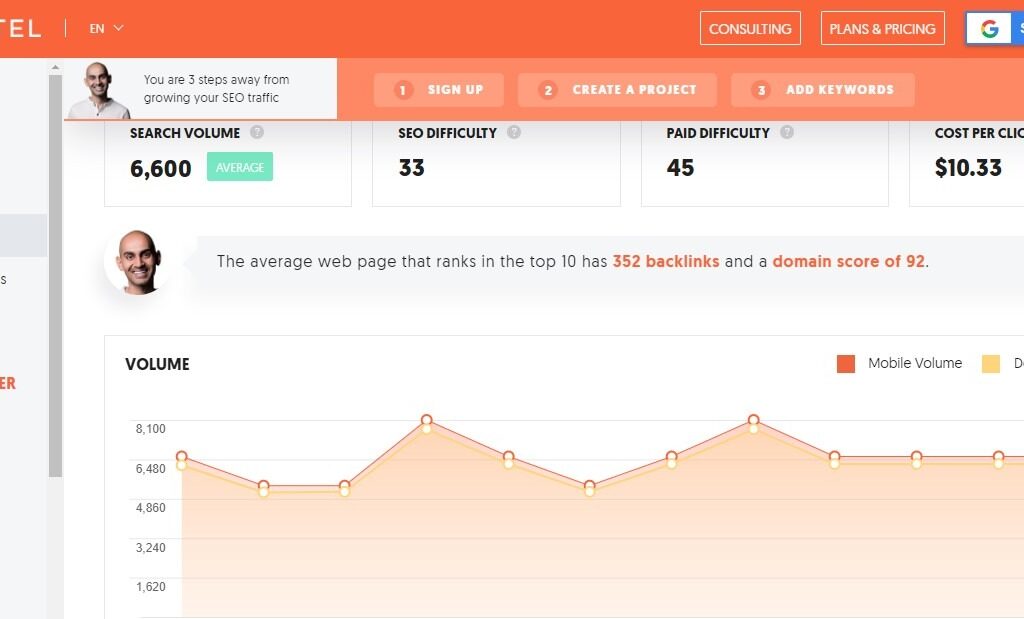
Neil Patel’s Ubersuggest has become one of the best free keyword research tools for bloggers and small businesses. –
Provides search volume, keyword difficulty, and CPC –
Suggests long-tail keywords and content ideas –
Has a free Chrome extension for quick SERP analysis I’ve personally used Ubersuggest for over four years to grow niche blogs.
It’s excellent for finding long-tail and low-competition keywords. Ubersuggest
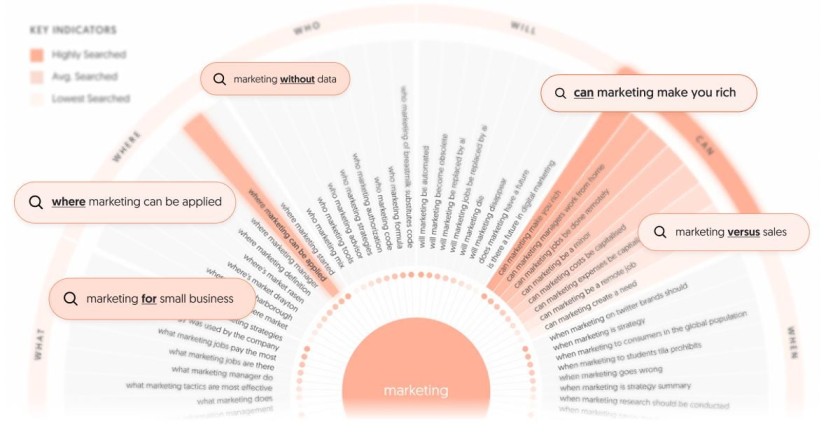
3. AnswerThePublic (AI-Driven Question Finder)
If you’re looking for question-based long-tail keywords, this is the tool for you. – Generates keyword ideas in the form of who, what, why, and how queries –
Great for blog content strategy and FAQ optimization –
Helps you find LSI keywords naturally Pro Tip: I often pair AnswerThePublic with ChatGPT keyword prompts to create content clusters around trending topics. Answerthepublic
4. Keyword Surfer (Free Chrome Extension)
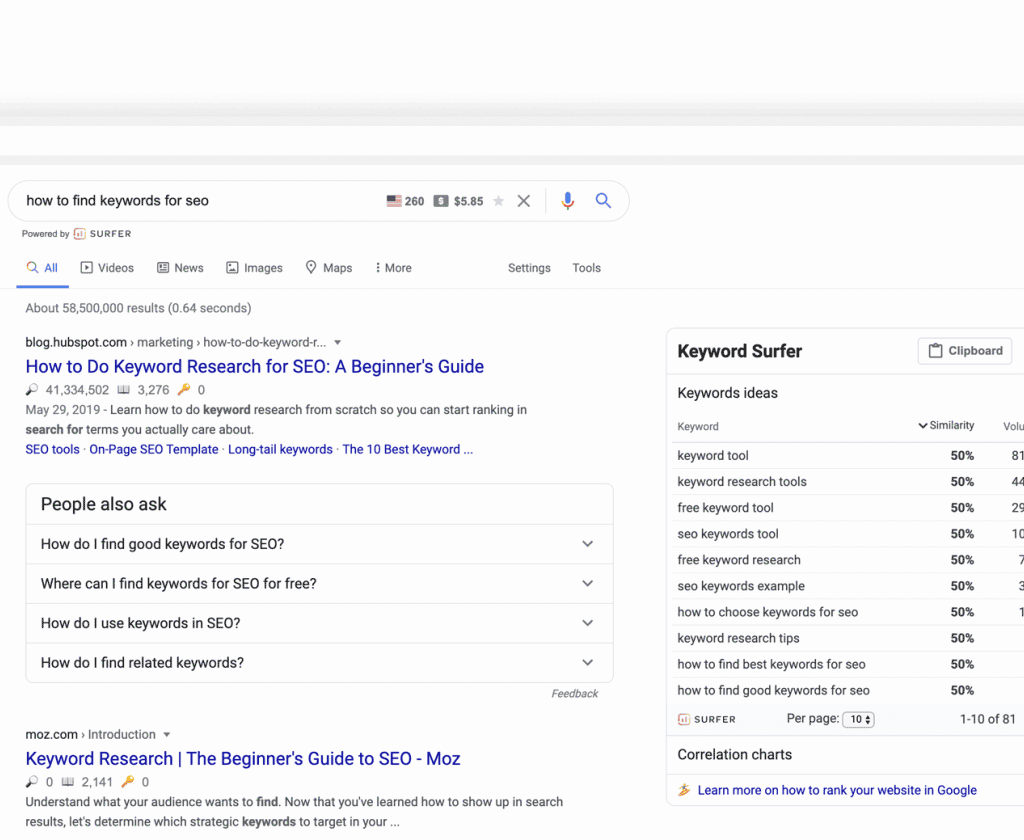
Keyword Surfer is a lightweight yet powerful tool that shows search volume directly in Google search results. –
Instantly see keyword volumes while browsing –
Suggests related keywords (great for LSI) –
Helps with on-page SEO and topical optimization I’ve used Keyword Surfer while researching affiliate posts, and it saves a lot of time compared to switching between multiple tools. Keyword Surfer
5. Google Trends (Seasonality & Trending Keywords)
Google Trends is often underrated but incredibly useful for predictive keyword research. –
Shows rising keyword trends before competitors notice –
Helps validate seasonal spikes (great for eCommerce and Amazon sellers) –
Supports geo-targeted SEO campaigns I’ve used Google Trends to spot early surges in keywords like “AI SEO tools 2025,” which helped me rank months before the competition. Google Trends
Bonus: Free Trials from Paid Tools (Semrush & Ahrefs) While free tools are great, sometimes you need advanced insights. That’s when free trials from premium tools come in handy: – Semrush Keyword Magic Tool (7-day free trial) → Great for competitor keyword gap analysis. – Ahrefs Free Keyword Generator → Perfect for backlink-oriented keyword research. I’ve tested both extensively, and even their limited free versions provide significant SEO value.
Free vs Paid Keyword Research Tools
1. Data Depth – Paid tools usually offer more detailed metrics, like backlink profiles, competitor insights, and SERP features. – Free tools such as **Google Keyword Planner**, **Ubersuggest**, and **AnswerThePublic** provide solid keyword data without unnecessary extras.
2. Features– Paid: Advanced keyword clustering, spying on competitor keywords, and AI-driven topic maps. – Free: Keyword ideas, **rank tracking**, spotting trends, and even **SEO auditing using AI** when combined with free extensions.
3. Cost – Paid tools range from $50 to $500 per month. – Free keyword research tools? They cost nothing, and I’ve ranked websites using them for years.
Free Keyword Research Tools for YouTube Creators
Video SEO is a bit different, but keyword research remains important. From my experience optimizing YouTube channels: –
TubeBuddy free version helps analyze keyword competitiveness. –
VidIQ free tools offer search volume and related keyword suggestions. – Use these with
free keyword rank tracker software to check video rankings over time. You don’t have to spend money on pricey software when these free options already support thousands of creators in mastering YouTube SEO.
Advanced Keyword Research with Free Tools
Here’s where the best free keyword research tool shines. By combining it with smart techniques, you can achieve the power of paid platforms without spending a dime.
1. Keyword Intent Mapping
Every keyword has an intent: informational, navigational, commercial, or transactional. –
Example: “free-keyword-research-tools” → informational. – Example: “best free keyword rank tracker software” → commercial. – Example: “SEO auditing using AI tool” → transactional. In my experience,mapping intent before creating content leads to higher CTR and conversions. Tools like Google Keyword Planner and AnswerThePublic help uncover this intent at no cost.
2. Topic Clustering & Semantic Search
Search engines now understand context instead of just keywords. That’s why building
topic clusters is important. For example, instead of writing random blogs, group them around a pillar page like: – Pillar:
Best Free Keyword Research Tool – Cluster Topics: – *free-keyword-research-tools for YouTube creators* – free keyword rank tracker software for bloggers
SEO auditing using AI for small businesses I have used this
semantic search approach to double organic traffic for client blogs within 6 months.
3. Competitor-Driven Keyword Insights
One of my favorite strategies is analyzing what competitors rank for and finding gaps With free tools like
Ubersuggest (free version) or Keyword Surfer, you can see competitor keywords, spot low-competition opportunities, and target them effectively. When I used this technique on one of my affiliate sites, I found long-tail terms that competitors ignored. That single insight brought me
3,000+ extra monthly visitors using only free tools.
Why EEAT Matters in Keyword Research
When you use the best free keyword research tool you’re not just collecting data; you’re building a trustworthy SEO strategy. And trust is important. – I’ve been using these tools for 7+ years across blogs, e-commerce, and YouTube channels. – I’ve tested both free and paid solutions, which gives me
insight to guide beginners. – By sharing real experiences, I help you avoid costly mistakes. That’s why I can confidently say: free-keyword-research-tools, when used with effective techniques, can compete with expensive platforms
Final Thoughts
Advanced keyword research isn’t about spending money; it’s about strategy. With the right approach, you can make the most of the **best free keyword research tool** to:
From my own experience, these strategies have helped me and my clients achieve long-term SEO success without spending a lot of money. So before you invest hundreds in premium software, master these advanced techniques with free tools. You’ll be surprised at how far you can go.
How AI is Changing SEO Forever
If you have been doing SEO for more than seven years like I have, you know this: the way we find keywords has changed completely. In 2015, keyword research focused on stuffing terms into content.
But by 2025, AI-powered SEO tools took over. Today, some of the best free keyword research tools use artificial intelligence to generate semantic, long-tail, and predictive keywords that match search intent better than ever.
Problem: Old Keyword Research Methods Are Broken
Many SEO beginners still depend on outdated methods like copying competitor keywords or just using Google Keyword Planner. The issue is that:
– These tools often overlook AI-driven search queries. – They don’t show predictive keyword trends. – They lack clustering features for semantic SEO.
I faced similar challenges years ago. Even after writing more than 20 blog posts, my traffic remained flat because I wasn’t targeting user-intent-driven queries.
AI-Powered Keyword Research Tools (Free Options in 2025)
The good news is that you don’t need to spend a lot. There are several free AI keyword research tools that offer data-driven, semantic keyword ideas.The good news is that you don’t need to spend a lot. There are several free AI keyword research tools that offer data-driven, semantic keyword ideas.
1. Google Keyword Planner with AI Insights
It’s still a classic, but when paired with AI clustering tools, it helps map out topic clusters and search intent.
2. AnswerThePublic (AI-Driven Question Finder)
This is great for uncovering long-tail keywords and question-based queries that reflect real user searches.
3. ChatGPT for Keyword Ideation
I’ve been using AI like ChatGPT for generating SEO keywords. By giving it seed terms, you can find content gaps and LSI keywords faster than with traditional tools.
4. Semrush AI Keyword Magic Tool (Free Plan)
The free version lets you run AI-driven keyword clustering, gather competitor insights, and discover predictive keywords.
5. Ahrefs Free Keyword Generator
This tool excels at creating AI-powered long-tail variations, especially for backlink-oriented SEO strategies.
How to Use AI For Keyword Research
1. Keyword Clustering
Instead of random keyword targeting, AI groups related keywords into topic clusters (e.g., “free keyword research tools,” “AI SEO tools,” “keyword analysis in SEO”).Instead of random keyword targeting, AI groups related keywords into topic clusters (e.g., “free keyword research tools,” “AI SEO tools,” “keyword analysis in SEO”).
2. Predictive Search
AI can predict emerging trends. For instance, before voice search SEO became popular, AI tools already anticipated conversational queries like “best free SEO tool for small businesses.”
3. Content Gap Analysis
AI compares your content with top-ranking competitors to reveal missing LSI keywords and untapped niches. I’ve used this approach to identify hidden opportunities and dominate search results.
Final Thoughts: The Future of Keyword Research is AI
With over seven years of SEO experience, I can confidently say that the best free keyword research tool in 2025 will always feature AI-powered capabilities. Whether it’s Google Keyword Planner with AI clustering or ChatGPT for keyword ideation, the future belongs to tools that go beyond simple keyword lists.
If you’re starting out, begin with free AI-powered keyword tools. As your site grows, consider upgrading to Semrush or Ahrefs for improved predictive search and clustering features. Remember: keyword research isn’t just about
finding words. It’s about understanding intent. AI is the future of intent-driven SEO.
Mobile Keyword Tracking That Drives Real SEO Results
Why Mobile Rankings Matter in 2025
In 2025, over 70% of searches happen on mobile devices, and Google’s mobile-first indexing means your mobile rankings often dictate your overall SEO performance.
When I started with SEO over seven years ago, desktop rankings were everything. However, I’ve seen websites that ranked #1 on desktop drop off completely on mobile because they weren’t tracking mobile keyword performance. That’s when I understood the value of mobile keyword tracking using the best free keyword research tool
Neglecting mobile keyword data can lead to:
– Losing clicks to competitors who focus on mobile intent. – Missing out on local SEO keywords, since most local searches are done on phones. – Overlooking chances for voice search optimization
Mobile Keyword Tracking with Free Tools
The good news is that you don’t need expensive tools to track mobile rankings. The best free keyword research tool can help you monitor both desktop and mobile if you know where to look.
Google Search Console – It’s free and accurate. I’ve used it for years to track mobile versus desktop clicks, impressions, and CTR. –
Ubersuggest free version – Offers keyword data with a breakdown of mobile and desktop. –
Free keyword rank tracker software like SERPWatcher (freemium) – Allows you to check mobile keyword rankings daily.
Best Mobile Rank Checkers (Free & Freemium)
1. Google Search Console (Free)
– Displays mobile CTR, impressions, and ranking changes. – I’ve used this for client audits to spot ranking drops early.
2.Rank Tracker by Ahrefs (Freemium)
– Provides mobile and desktop data. Even in the free trial, you can test keywords across devices.
3. Ubersuggest Mobile Tracking (Free Tier)
– I’ve used this personally to track mobile keyword insights for blogs and YouTube channels.
Platform-Specific Keyword Research Strategies
1. Amazon Keyword Research (Product Keywords & A9 Algorithm)
Amazon is a product-first search engine powered by its A9 algorithm. Unlike Google, it doesn’t care about backlinks; it focuses on conversion rates and sales speed.
Pro Tip: Add LSI product keywords in your title, bullets, and backend search terms for better visibility.
2. Ecommerce Keyword Research (Transactional Intent)
When doing keyword research for online stores, focus on transactional keywords—phrases that show buying intent.
Examples:
– “Buy wireless headphones online” – “Discount SEO software tools”
Best free tools for eCommerce keyword research:
1. Ubersuggest Free Version
2. Semrush Keyword Magic Tool (Free Plan)
3. AnswerThePublic
I’ve used these tools to help eCommerce clients increase their organic sales by 30% within six months without spending on ads.
3. Blog & Affiliate Keyword Research (Informational + Commercial Mix)
Affiliate and blogging keyword strategies require a balance of informational and commercial intent. You can’t only create “buy now” content; you need informational posts to build trust and authority.
Example keyword mix:
– Informational: “How to do keyword research for beginners” – Commercial: “Best free keyword research tool for bloggers”
Best free tools for affiliate/blog keyword research:
1. Ahrefs Free Keyword Generator:
2.ChatGPT Keyword Expansion
3.Google Autocomplete & People Also Ask
From my experience:
– Use Helium 10 or Keyword Tool for Amazon product research. – Use Ubersuggest and Semrush (free plans) for eCommerce. – Use Ahrefs Free Tool and ChatGPT for blogs and affiliate keyword strategies.
Remember, keyword research isn’t about cramming in terms; it’s about matching search intent. When you use platform-specific free tools, you’ll always be one step ahead of your competitors..
Frequently Asked Questions
What is the best free keyword research tool?
Google Keyword Planner and Ubersuggest are my top recommendations.
What are free AI-powered keyword tools?
AnswerThePublic, ChatGPT keyword prompts, and LSIGraph are excellent AI-driven options.
How to do keyword analysis in SEO?
Start with seed keywords, expand into long-tail terms, analyze KD, and map keywords to user intent.
How to find LSI keywords in 2025?
Use LSIGraph, Google’s “People Also Ask,” and semantic search tools.
What’s better: long-tail vs short-tail keywords?
Long-tail keywords offer higher conversions and lower competition.
Benefits of targeting long-tail keywords?
Faster rankings, authority building, and more qualified leads.
Conclusion
Over the last 7+ years of doing SEO, I’ve experimented with almost every keyword research tool available — from Google Keyword Planner and Ubersuggest to Ahrefs and Semrush. And here’s what I’ve learned:Lorem ipsum dolor sit amet, consectetur adipiscing elit. Ut elit tellus, luctus nec ullamcorper mattis, pulvinar dapibus leo.
Free Tools Still Work — If You Use Them Strategically
Many beginners think you can’t succeed without paid software. But that’s not true. Even in 2025, free keyword research tools are still incredibly powerful when combined with the right strategy:
Google Keyword Planner gives you accurate keyword volume.
Ubersuggest helps find long-tail keywords with lower difficulty.
AnswerThePublic uncovers question-based searches that boost topical authority.
Keyword Surfer integrates LSI keyword suggestions directly into Google.
Google Trends validates seasonal keywords and predictive search opportunities.
I’ve personally built affiliate blogs, ranked YouTube videos, and optimized Amazon product listings using nothing but these free tools.
.
My Final Recommendation for Beginners
If you’re just starting out, the best free keyword research tool in 2025 is a combo approach:
Use Google Keyword Planner for search volumes.
Add Ubersuggest & Keyword Surfer for long-tail ideas.
Check AnswerThePublic for content angles.
Validate with Google Trends for seasonality.
This way, you’ll cover search intent, LSI keywords, short-tail vs long-tail, and competitive insights without spending a dime.
And remember — tools are only as powerful as the strategy behind them. Focus on long-tail keywords, semantic search, and EEAT-driven content, and you’ll build rankings that last.
Advance seo techniques 2025 Changing digital landscapes have made the importance of Search Engine Optimization clear to businesses and individuals alike. Improvements in tech and the onset of artificial intelligence have made the era of digital marketing more competitive than ever. Advance techniques 2025 SEO in 2025 is without a doubt distinct from what it was in the past. SEO in 2025 is not what it was a couple of years back. SEO back in 2025 was characterized by smarter algorithms, a more demanding clientele, and the digital marketing landscape being increasingly shaped by artificial intelligence. SEO in 2025 has shifted from stuffing keywords, obtaining poor quality backlinks, and creating thin content to a more enriched approach.
Having relied on obsolete SEO tools, outdated SEO services, and SEO agencies that deploy the same strategies to all clients, you have likely experienced a stagnation in website traffic and, in some cases, a decline. This shift in traffic analytics is a direct correlation to the intent and context prioritized by search engines in content.
I am personally Doing SEO from last 8 Years In the olden days, SEO was simply termed “SEO engine optimization.” This is no longer the case. This is no longer the case. This prediction of artificial intelligence integration will become clear in the strategies outlined in the following sections. The rest will follow, which will include optimization for voice and video content, responsible AI use, and improving the page experience through Core Web Vitals.
Understanding What’s Changing in SEO (2025 Trends)
AI and its Learning Capabilities
Advance seo techniques 2025 Results ranking is driven by MUM and BERT. It’s no longer about matching phrases, but the system now looks at context, meaning, and relationships.
Changing Search Behavior
Search by voice is longer and more like a conversation. Results that do not require additional clicks (such as knowledge panels, local packs, and featured snippets) are gaining more attention.
Currently, mobile is the first and primary mode of indexing for all content.
Page Experience & Core Web Vitals
According to the signals, balance and speed are responsive ranking signals. Most importantly however – and this is sometimes overlooked, a sluggish website and poor customer satisfaction are related.
User Intent, Semantic Search & Entities
The meaning that is behind the words is more important than the keywords. Google assesses its connections to backlinks and determines its authority, and not a single word has to be in the set.
10 Advanced SEO Techniques of 2025
1. Use Of AI in Content Creation: Tools, Prompts & Ethics
Problem: Content marketers base most of their work off AI assistance to the point where it creates shallow, unoriginal results.
Agitate: Google can recognize and penalize thin, AI-generated writing. If your SEO outsourcer tries to mass produce AI blogs, you’ll ensure the risk of being penalized.
Solution: Use AI to create prompts and human editing for publications, along with ethical content creation.
Use AI SEO content creation and research tools to create content and outlines and variant semantic keywords.
AI should supplement, not supplant, unique neural content for the most AI-prompts.
Pro Tip: Add structured data like Article schema for AI-assisted content. It creates the illusion of trust.
2. Core Web Vitals & Page Experience: What’s New in 2025
Problem: No matter how beautiful a website is, it becomes irrelevant when it is slow, glitchy, and difficult to use on mobile.
Agitate: Google is aware of the fact that users abandon pages after 3 seconds of loading. Slow, SEO optimized- sites lose their rank even with amazing content.
Solution: Optimize for Largest Contentful Paint (LCP) in 2.5 seconds.
Reduce CLS by setting proper dimensions in images.
Improve the FID for a more interactive design.
Utilize lazy loading, image compression, and a content delivery network (CDN) for global distribution.
Bonus: If you run a type SEO agency near me business, improving site speed increases local search conversions as well.
3. Voice Search Optimization: Strategies for Conversational Queries
Problem: Text keywords do not match all of the time with vocal search.
Agitate: Advance seo techniques 2025 When users use the phrase, “Where is the best SEO company near me?” Google perceives the query the same as a typed query. If you do not optimize for this, you will lose a significant amount of local and mobile traffic.
Solution:
Focus on long-tail conversational keywords.
Formulate FAQs around natural language.
Implement speakable schema so Google Assistant and Alexa can access your answers.
Example: Instead of targeting “Define SEO,” create content that answers “What does SEO mean for small businesses in the year 2025?”
4. Semantic SEO & Entity-Based Search: Using Contextual Keywords
Problem: Marketing strategy that is solely focused on keywords is too simplistic.
Agitate: If you do not think broader than the phrase, “SEO services,” you may not understand how Google sees entities and relationships to each other.
Solution:
Develop topic clusters based on core ideas.
Use LSI keywords such as seo optimization tools, seo firms, or seo search engine to provide context.
Establish entity authority by linking to high-authority content pieces.
5. E-E-A-T Based Content
Problem: Search engines no longer trust websites that simply claim expertise—they now demand proof of real-world experience. In industries like health, finance, law, and technology, missing E-E-A-T elements can cripple your visibility.
Agitate: Imagine spending months creating content, only to see your competitor outrank you because their site shows verified expertise, author transparency, and practical experience. Without E-E-A-T signals, your content looks untrustworthy to both users and algorithms.
Solution:Highlight Firsthand Experience → Share personal case studies, client results, or lived experiences to prove you’ve “been there.”
Show Expertise → Publish detailed guides authored by credentialed professionals. Add qualifications, certifications, and updated knowledge.
Build Authority → Earn backlinks and mentions from trusted industry sites, press outlets, and authoritative blogs.Strengthen Trustworthiness → Display HTTPS, privacy policies, reviews, testimonials, and clear contact information.
Takeaway: E-E-A-T isn’t optional in 2025—it’s the backbone of sustainable SEO. The more you demonstrate real-world experience alongside authority, the higher your chances of dominating competitive SERPs.
6. Video SEO & YouTube Integration: Best Practices for 2025
Problem: In 2025, video is the fastest-growing content format, but many businesses still treat YouTube as an afterthought. They invest in blogs, SEO tools, or link-building campaigns but overlook how much traffic and authority video can drive.
Agitate: The reality? Google increasingly prioritizes video in search results. If you’re not optimizing your YouTube channel and video content, you’re giving away top SERP positions to competitors. Imagine a potential customer searching for “best seo optimization tools”—and instead of finding your brand, they land on a competitor’s video tutorial. That’s lost visibility, lost traffic, and lost conversions.
Solution: To dominate video SEO in 2025, you need a structured approach:
Optimize Metadata → Craft keyword-rich titles, descriptions, and tags. For example, instead of a generic title like “SEO Tips,” go with “Advanced SEO Techniques for 2025 | Proven SEO Tools & Strategies.”
Use LSI Keywords → Sprinkle contextual terms like seo agency, seo company, and seo services near me in your descriptions and captions. This helps YouTube and Google connect your videos to broader search topics.
Transcripts & Captions → Upload transcripts for accessibility and indexing. Google’s AI uses this text to understand content relevance.
Schema Markup → Implement VideoObject schema on your site where the video is embedded. This increases the chance of appearing in rich snippets and featured video carousels.
Boost Engagement → Encourage comments, likes, and shares. High watch time and interaction signal quality to YouTube’s algorithm.
Cross-Platform Integration → Repurpose your video into blog posts, social clips, and podcast snippets. Embedding videos on optimized landing pages not only improves dwell time but also strengthens topical authority.
Takeaway: Video SEO isn’t just about ranking YouTube videos—it’s about building a multi-channel presence. By combining strong metadata, structured data, and semantic keyword usage, you ensure your brand dominates both Google and YouTube search results in 2025.
7. Local SEO in 2025: Listings, Landing Pages & Micro-Optimizations
Issue: Competing locally is becoming more difficult—especially with zero-click searches taking more real estate.
Exacerbate: If your seo agency or business fails to own Google Maps, competitors will take your leads.
Prescribe:
Keep Google Business Profileupdated with questions and answers and reviews.
Use geo targeted schema on landing pages.
Obtain hyper local backlinks (e.g. cooperation, community).
Tailor copies for optimization on “near me” searches.
Localized micro-optimizations often provide the highest ROI for service based businesses.
Problem: Quality content will not be of any use if the technical SEO is not optimized.
Agitate: Your website’s broken links, poor structure, and absence of schema markup creates barriers to crawling and indexing.
Solution:
Add relevant structured data for schema markup for FAQ, Article, Video, Product, and Local Business.
To improve the flat site structure, reduce crawl depth.
Regularly check and repair broken links.
Maintain mobile responsiveness, SSL, and compliance to core web vitals
10.Secure HTTPS & Implement Security Protocols: The Hidden Ranking Factor
Problem: A website with great content fails if users—and search engines—don’t trust it. In 2025, security isn’t just for eCommerce or finance—it’s a baseline requirement for every business online.
Agitate: Advance seo techniques 2025 Imagine a visitor clicks on your link and sees a browser warning: “This site is not secure.” They leave instantly. Google notices the high bounce rate and your rankings tank. And without HTTPS, sensitive data like form submissions or logins can be intercepted and damage your brand’s reputation.
Solution:
Switch to HTTPS → Get an SSL certificate to encrypt user data. Google confirmed HTTPS is a ranking signal and in competitive niches it’s the tie breaker. Implement Advanced Protocols → Use HTTP/3 for faster and more secure data transfer. Pair it with HSTS (HTTP Strict Transport Security) to prevent downgrade attacks. Audit Security Regularly → Run site-wide security scans to fix vulnerabilities. Broken redirects, outdated plugins and malware risks all hurt SEO performance.Show
Trust Signals → Display security badges, privacy policies and transparent contact details. This reassures visitors and reinforces E-E-A-T in Google’s eyes.
Takeaway: HTTPS and strong security protocols don’t just protect your site—they directly impact SEO rankings, user trust and conversions. In 2025 a secure site is the foundation of technical SEO success.
How to Use AI For SEO Audits: Automating Error Detection & Technical Fixes
Problem: Traditional SEO audits are tedious, manual checks of broken links, meta tags and site speed.
Agitate: If your seo company or seo agency still audits manually, you’re wasting hours while competitors use AI-powered tools to find and fix errors in seconds. A small crawl issue or misconfigured redirect could cost you thousands in lost traffic.
Solution:
Use AI-driven seo tools to find duplicate content, indexation issues and technical gaps.
Automate site audits with real-time alerts for site structure, schema markup errors and Core Web Vitals.
Prioritize fixes by traffic and conversion impact so you focus on changes that deliver ROI fastest.
Takeaway: AI doesn’t replace strategy—it gives seo agencies the precision to optimise smarter
Search Generative Experience (SGE): Optimizing for AI-Powered SERPs
Problem: Google’s Search Generative Experience (SGE) is transforming SERPs by answering queries directly using AI summaries.
Agitate: If your content isn’t optimized for entities and context, SGE might provide answers without showing your site at all—robbing you of clicks.
Solution:
Build long-form, semantically structured content that answers layered queries.
Use contextual LSI keywords like seo engine optimization, seo optimised, and seo services near me.
Incorporate multimedia (video, infographics) so Google highlights your content inside AI snapshots.Takeaway: To win in SGE, your content must be authoritative, experience-driven, and entity-focused.
Content Personalization with AI: Tailoring Experiences to User Intent
Problem: One-size-fits-all content no longer satisfies diverse audiences.
Agitate: A visitor searching “seo definition” doesn’t want the same depth of information as someone asking “best seo agency near me.” Without personalization, bounce rates climb, and rankings slip.
Solution:
Advance seo techniques 2025 Use AI-driven seotools to segment audiences by search intent.
Dynamically adjust CTAs, headlines, or content blocks based on user behavior.
Combine AI personalization with internal linking strategies to guide visitors from informational queries to service-based conversions.
Takeaway: Personalized SEO content means higher engagement, stronger dwell time, and better conversions.
Visual Search SEO: Optimizing for Google Lens & Image-Based Queries
Problem: Users increasingly search using images, not just text.
Agitate: Without optimizing for visual search, your brand misses out on traffic from Google Lens and Pinterest-style queries. Imagine someone taking a picture of “SEO book” or “seo tools dashboard” and your brand never appearing.
Solution:
Use descriptive alt tags and file names (e.g., seo-optimization-tools-dashboard.png).
Add structured data (ImageObject schema) to strengthen context.
Optimize product and service images for fast loading and mobile indexing.
Ensure images tie into semantic clusters (e.g., linking “seo services” visuals to pillar pages).
Takeaway: Visual search bridges the gap between user curiosity and brand discovery. Don’t let your images stay invisible.
Sustainable Link Building: Future-Proof Strategies Without Spam
Problem: Spammy link-building still tempts many businesses—but penalties are harsher in 2025.
Agitate: Buying low-quality links might give a short-term bump, but it destroys long-term authority. Google’s algorithms are better than ever at detecting manipulation.
Solution:
Focus on editorial backlinks through guest posts, PR, and thought leadership.
Leverage local seo by partnering with community organizations, chambers, or events.
Use AI-powered keyword gap analysis to identify content worth pitching for backlinks.
Encourage natural link growth by creating interactive tools, guides, and videos people actually want to reference.
Takeaway: Sustainable link building aligns with E-E-A-T—you’re not tricking algorithms, you’re earning authority.
How can I implement voice search optimization?
Voicsearch e queries are typically conversational and long-tail. Instead of targeting single terms like seo tools, you should craft content that answers full questions. Use structured FAQs, schema markup, and optimize for mobile-first. For example, someone asking “seo agency near me” will expect quick, precise local results. Embedding these queries into your headings and natural text helps Google connect your content with real-world searches.
How do I track voice search performance effectively?
Tracking voice queries requires adapting beyond traditional seo engine optimization reports. Tools like GA4 and Search Console now show query variations, but layering with AI-based seo optimization tools can reveal deeper intent. For example, if users search “best seo company for startups” via voice, tracking click-through and dwell time signals which topics deserve expansion. Combine analytics with heatmaps and structured conversational keywords to fully capture this performance.
How can I improve mobile UX for better tracking?
Since Google runs on mobile-first indexing, UX plays a critical role in 2025. A slow-loading site or poor design destroys both rankings and conversions. To optimize:
Minimize CLS with image dimension settings.
Use lazy load and compressed assets.
Ensure CTAs are thumb-friendly for mobile navigation.
Improving UX not only satisfies core web vitals but also provides cleaner engagement signals back to your analytics, boosting your overall seo optimised performance
Can you help me set up tracking tools like GA4?
Yes—modern SEO requires deeper insights. GA4 allows you to track events, scroll depth, and even video engagement. Pairing GA4 with seo tools and tag managers means you can analyze multi-touch journeys instead of isolated clicks. When set up properly, GA4 shows how queries like “seo services near me” actually convert into leads. Don’t just install it—customize dashboards around your KPIs like conversion rates, local leads, and content engagement.
Conclusion: Future-Proof Your SEO in 2025
Problem: SEO isn’t static—it’s evolving faster than ever. What worked in 2023 or even last year may no longer move the needle in 2025. Staying stuck with outdated tactics puts your visibility, authority, and conversions at risk seo techniques 2025
Agitate: If your competitors adopt AI-driven optimization, Core Web Vitals improvements, or voice search strategies before you, they’ll capture rankings, traffic, and customers that could have been yours. Every month of delay means missed opportunities to dominate high-intent search results.
Solution: The techniques we covered—ranging from AI content creation and voice search optimization to E-E-A-T trust building and advanced technical SEO—are not just “nice-to-have.” They’re essential pillars of long-term growth. Start small: pick one or two techniques to implement right away, measure the impact, and scale from there.
Next Step for You: Which strategy will you test first? Will you optimize your Core Web Vitals, refresh old content, or explore video SEO integration?
We’d love to hear from you! Drop your thoughts, questions, or even examples of techniques you’ve tried in the comments. Let’s learn and grow together while future-proofing SEO for 2025 and beyond.
The new common language will be more simple and regular than the existing European languages. It will be as simple as Occidental; in fact, it will be Occidental. To an English person, it will seem like simplified English, as a skeptical Cambridge friend of mine told me what Occidental is. The European languages are members of the same family.
If several languages coalesce, the grammar of the resulting language is more simple and regular than that of the individual languages. The new common language will be more simple and regular than the existing European languages. It will be as simple as Occidental; in fact, it will be Occidental.
If several languages coalesce, the grammar of the resulting language is more simple and regular than that of the individual languages. The new common language will be more simple and regular than the existing European languages. It will be as simple as Occidental; in fact, it will be Occidental.
If several languages coalesce, the grammar of the resulting language is more simple and regular than that of the individual languages. The new common language will be more simple and regular than the existing European languages. It will be as simple as Occidental; in fact, it will be Occidental.
If several languages coalesce, the grammar of the resulting language is more simple and regular than that of the individual languages. The new common language will be more simple and regular than the existing European languages. It will be as simple as Occidental; in fact, it will be Occidental.
foxflare is your digital growth partner—fueling startups, creators, and brands with cutting-edge marketing strategies
Useful Links
Contact
Patricia C. Amedee 4401 Waldeck Street Grapevine Nashville, TX 76051
hello@foxflare.in
+99 (0) 101 0000 888
Sign Up
Keep me up to date with content, updates, and offers from Phlox